Skip to content
Waypoint / TasmaniaWP-AU-TAS42°53′S 147°19′E

Tasmania, as a journey.

Private stays, aviation, food, wilderness and the road between them, considered as one journey.

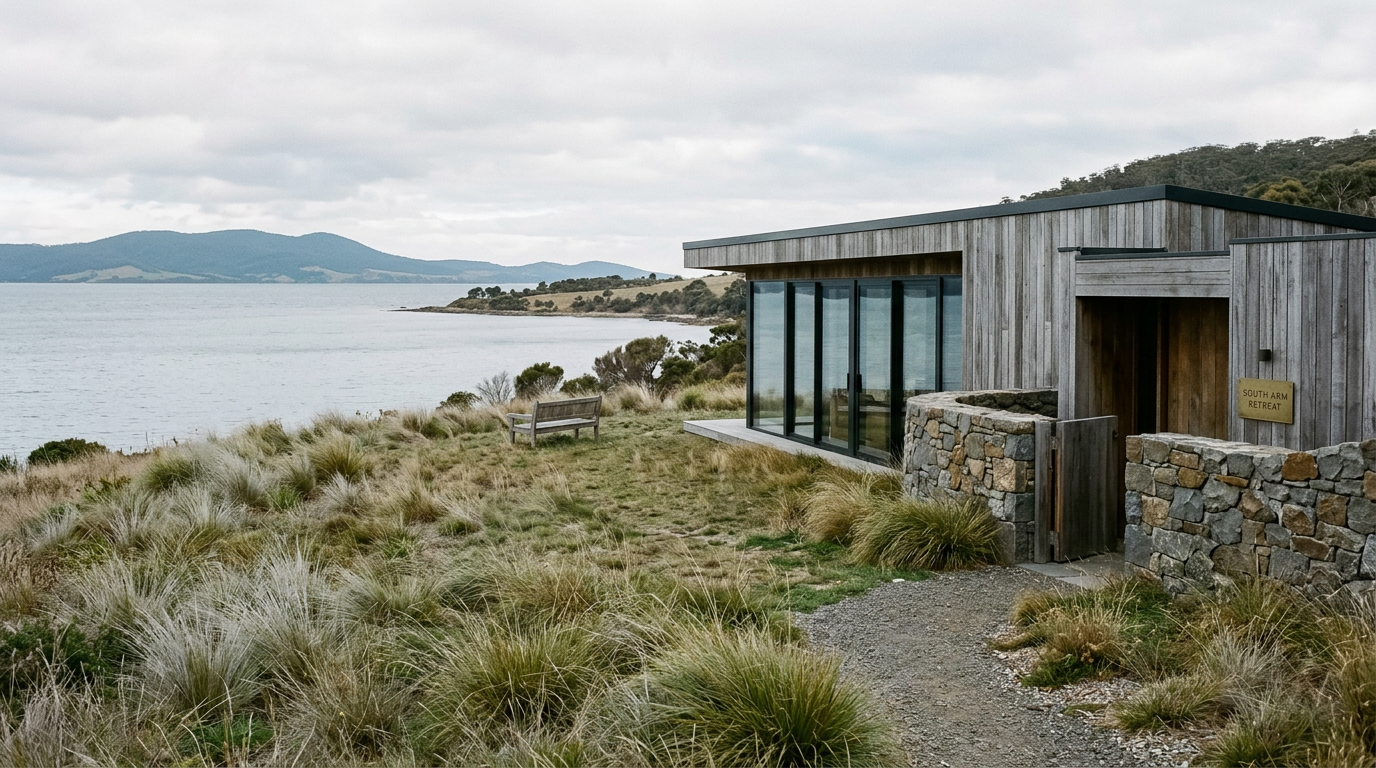
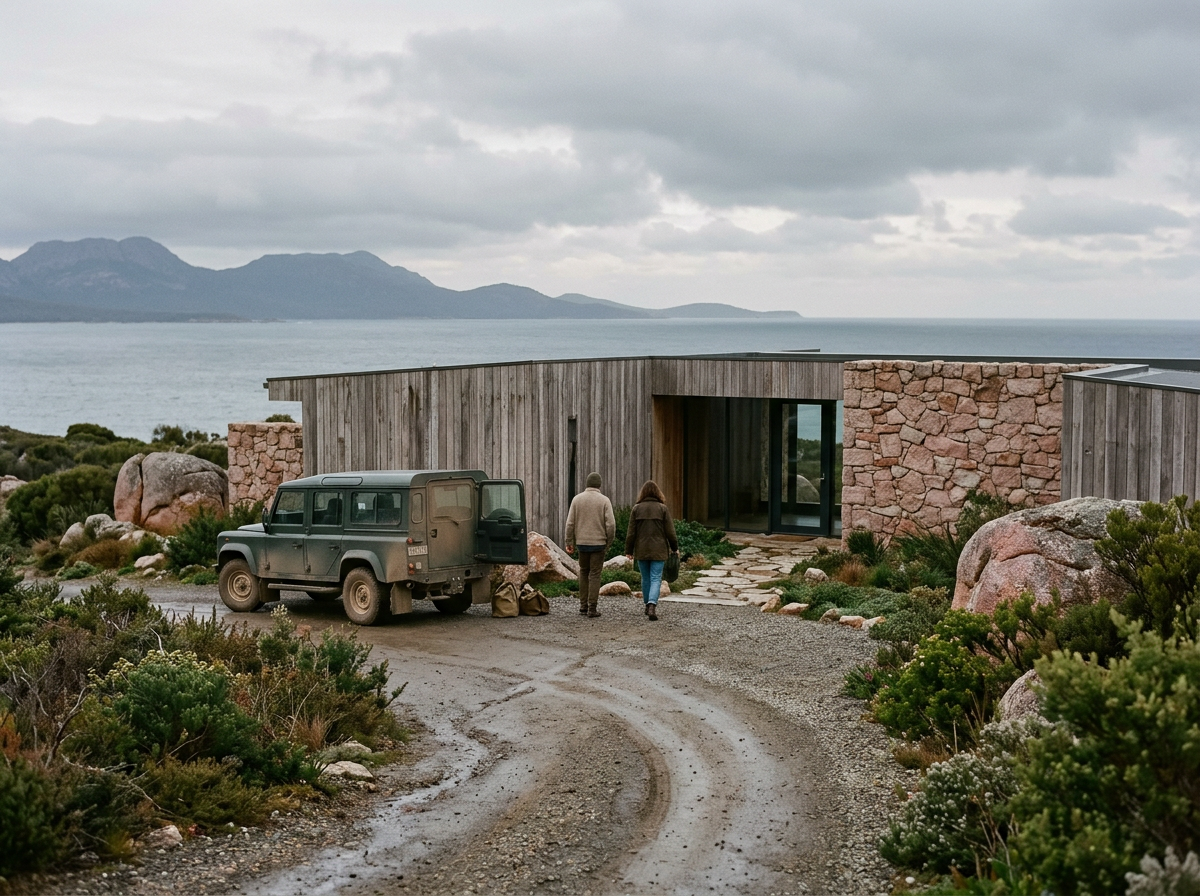
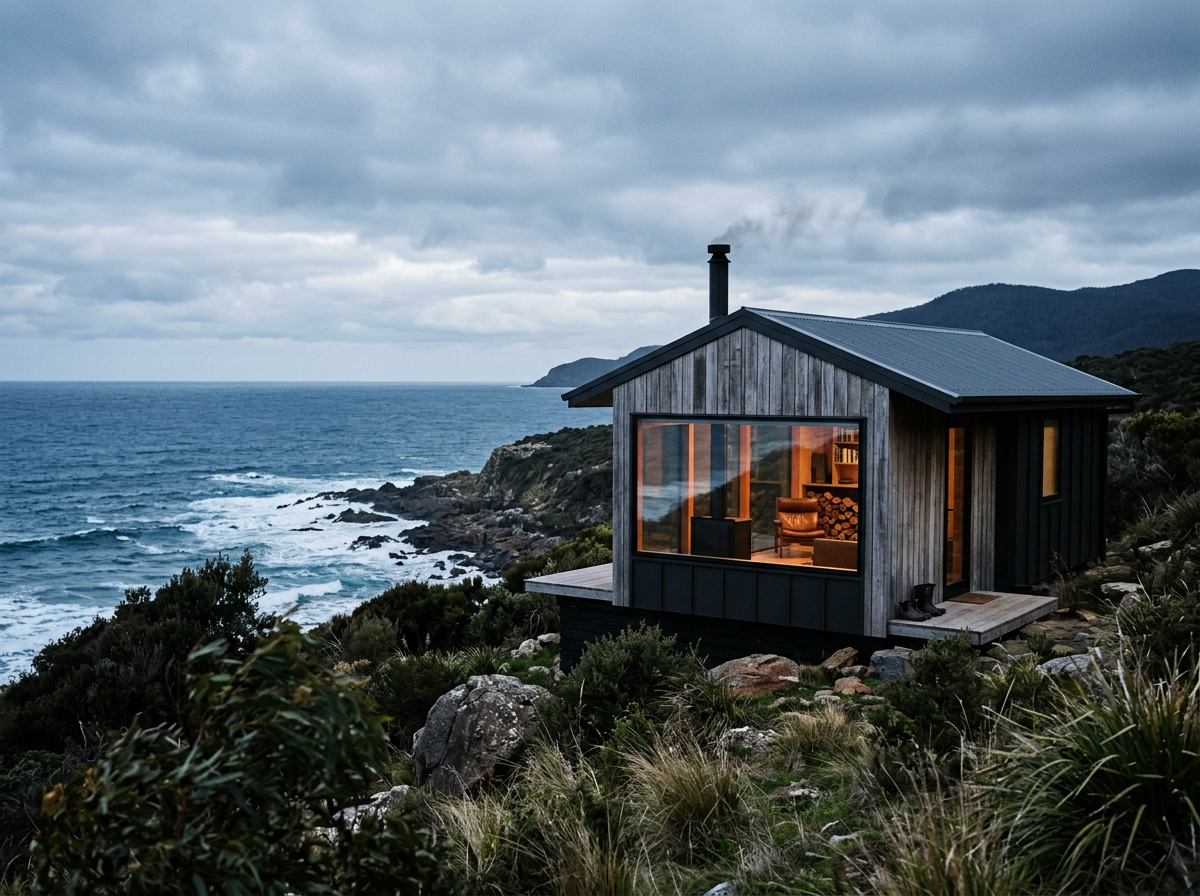
Low modern house of stone and glass on an open headland above cold blue water in southern Tasmania
The office

An island best understood slowly.

Tasmania looks small on a map. It rarely feels that way from the road.

Hobart, the east coast, the central highlands, the north, the west and the Bass Strait islands each have a different rhythm. Trying to collect them all usually misses the point.

We start with how you want the island to feel, then decide what belongs together, what is worth the drive, when to stay put and when flying makes more sense than another road sector.

WAYPOINT holds the journey through one relationship.

Stays, operators, aircraft, vessels and individual arrangements are confirmed at the time of enquiry.

01Stay

Stay with the place.

Tasmania is unusually sensitive to where you sleep. A house above Frederick Henry Bay, a cabin looking into the Southern Ocean, a lodge on the east coast or a fire beside a cold highland lake can change the pace of the entire journey. We keep the list short. The stay should belong to the landscape around it, and it should be somewhere you are happy to return to before dark.

Hobart + south

One good base can hold the whole south.

Hobart works because the city, the water and the countryside sit close together. Stay in town if you want to walk to dinner. Stay outside it if you want the door to close on everything else.

  • 01

    The Point Tasmania

    South Arm / Frederick Henry Bay

    Architecture / Privacy / Coast

    Contemporary architecture on roughly fifty acres above Frederick Henry Bay, around twenty minutes from Hobart and the airport. The appeal is not simply the house. It is having enough space and privacy that a southern Tasmania journey can begin and end in the same place.

    Referenced as a benchmark southern stay. Access and arrangements confirmed separately.

  • 02

    Hobart + Battery Point

    Hobart waterfront / Battery Point / Sandy Bay

    Heritage / Waterfront / Walkable

    For a city-led stay, we look for somewhere that puts the waterfront, Battery Point, Salamanca and dinner within easy reach, without making the house feel like a hotel.

    Specific stays are proposed once dates, party size and preferred location are known.

  • 03

    Bruny + the Channel

    Bruny Island / D'Entrecasteaux Channel

    Cabin / Ocean / Slow stay

    Cross the water and the pace drops quickly. A simple cabin, a view towards the Southern Ocean, a fire at night and enough food from the island to make staying in feel like the right decision.

East coast

Two nights is the beginning.

The east coast is where the road, the stay and the food belong together. Orford, Swansea, Bicheno, Great Oyster Bay and Freycinet should feel like one unfolding coast rather than separate stops on a list.

  • 01

    Saffire Freycinet

    Coles Bay / Great Oyster Bay

    Lodge / Freycinet / Coast

    A strong base for Freycinet, with the Hazards across the bay and enough around the property that the day does not need to begin with the car.

    Referenced editorially. Access and availability confirmed separately.

  • 02

    East Coast private stays

    Swansea / Bicheno / Freycinet

    Architecture / Coast / Slow stay

    We look for houses and smaller stays that sit quietly in the landscape, close enough to the coast to make the morning obvious and removed enough that the night feels properly Tasmanian.

North + Bass Strait

Golf, vineyards and the islands beyond.

The north is softer country: the Tamar, vineyards, working coastline and long light. Further out, King and Flinders become journeys of their own, best approached with the flying and the stay considered together.

  • 01

    The Low Head Beach House

    Low Head / Tamar mouth

    Coast / Heritage / North

    A useful base where the Tamar meets Bass Strait, particularly for a journey moving west along the north coast.

  • 02

    King Island stays

    King Island

    Golf / Produce / Bass Strait

    The stay matters less than how the island is put together: the flight, the wind, the golf, the road and what is on the table that night. Pimelea and Ettrick Rocks are among the houses we would consider first.

    Availability and access confirmed before the journey is built.

  • 03

    Flinders Island

    Furneaux Group

    Granite / Coast / Remote

    Beaches, granite and open country with enough distance from the mainland that the island should have its own days. Not something we would squeeze between two other destinations.

Remote / wilderness

The quiet end of the island.

Cradle Mountain, the central highlands and the west work differently from the coast. The weather becomes part of the plan. Roads take longer. A cabin, a fire, a sauna or a still lake can become the whole afternoon.

  • 01

    Cradle + central highlands

    Cradle Mountain / Great Lake / Lake St Clair

    Mountain / Cabin / Winter

    Cold mornings, walking when the weather allows and a place worth coming back to early. This is where a slow stay earns its place in the journey.

  • 02

    Corinna + west coast

    Corinna / Trial Harbour / Strahan

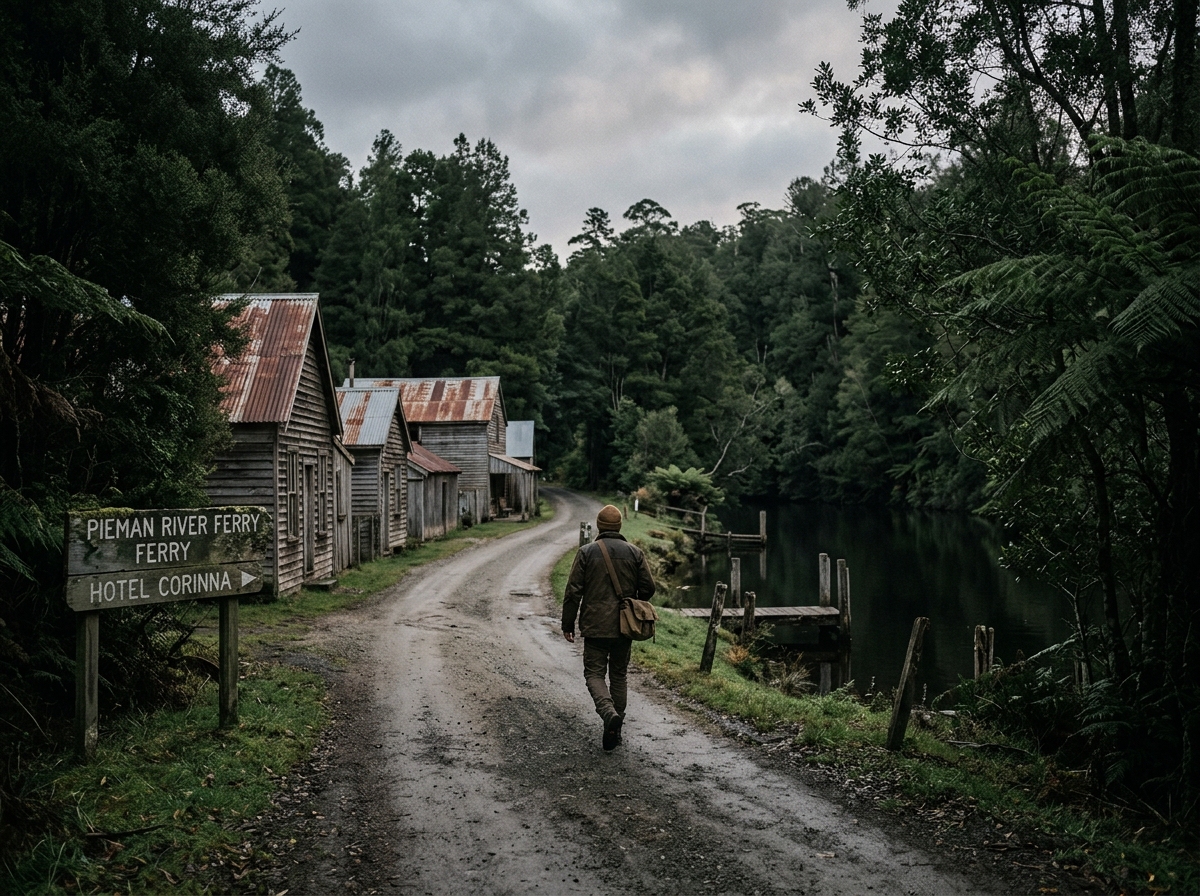
    Heritage / Wilderness / Road

    The road west is part of the reason to go. Corinna carries the history and river. Trial Harbour feels closer to the edge of the island. Neither should be treated as a quick detour.

  • 03

    Remote stays

    West / Southwest / Highlands

    Access-led / Seasonal / Private

    Where the stay is genuinely remote, access sets the plan. Road, seaplane, light aircraft, vessel or track first. The accommodation follows.

    Proposed only where access is operationally sound for the dates.

Field note

One strong base is often better than changing rooms every night. Tasmania rewards fewer moves, better roads and somewhere worth returning to.

02The way

The road is part of it.

THE WAY is the practical layer underneath a WAYPOINT Tasmania journey. Not a travel blog. Not a list of attractions. It is knowing which road deserves the day, where weather changes the plan, when lunch should stay unbooked, when the west needs its own nights and when an aircraft is the better answer.

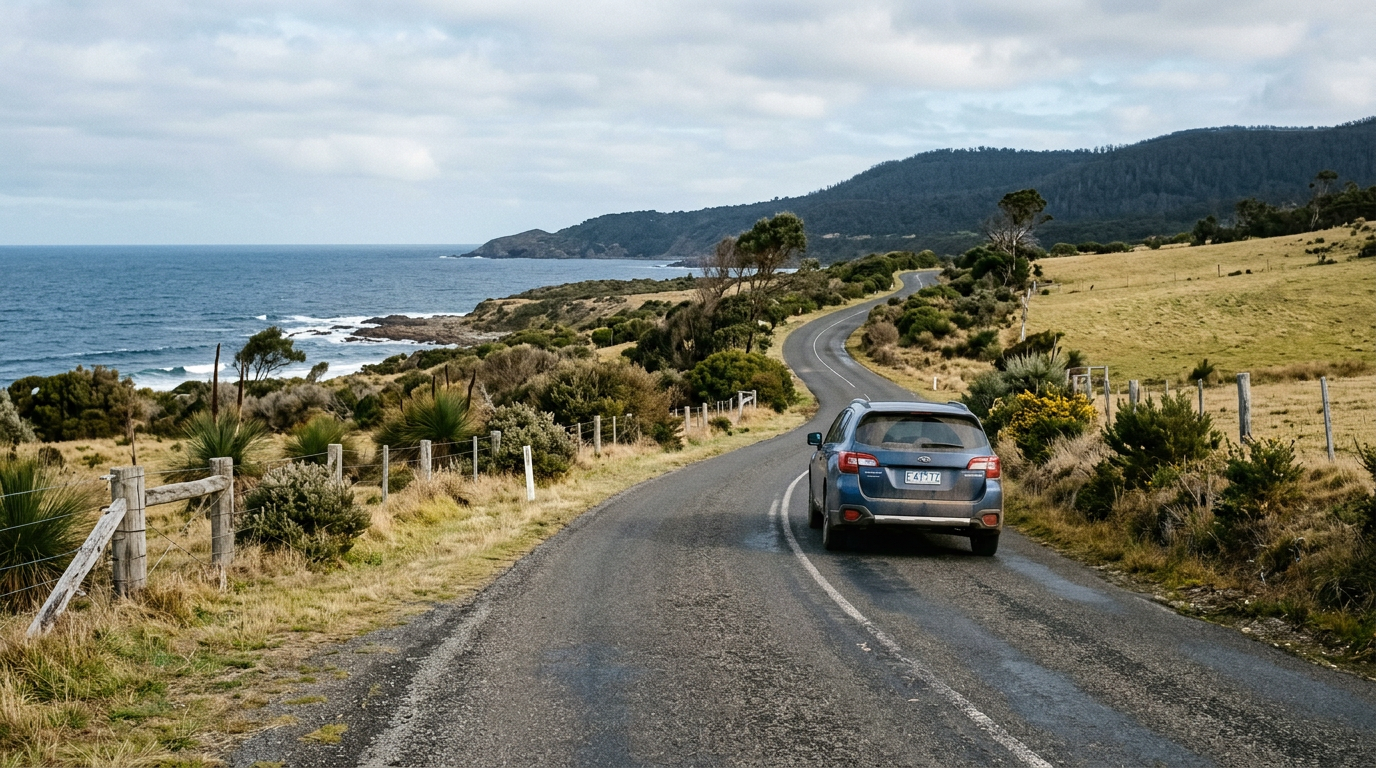
Two-lane road running between bush and coastline under changing Tasmanian weather
  1. 01

    Hobart → South Arm + Tasman Peninsula

    Hobart · South Arm · Richmond · Tasman Peninsula

    South Arm gives you open coast and farmland without leaving the south. The Tasman Peninsula is the bigger day: history, cliffs, cold water and a road that is better when it is not rushed.

    • Give the Tasman Peninsula the whole day.
    • Richmond and the Coal River Valley can sit naturally on the return or on a separate arrival or departure day.
    • Exposed coastal walks are decided with the weather, not months in advance.
  2. 02

    Hobart → East Coast

    Hobart · Orford · Swansea · Bicheno · Freycinet

    This is the road we would choose when the drive is meant to be part of the trip. Water appears and disappears beside you, towns stay small and the best stops are often oysters, a cellar door or somewhere you had not planned to spend an hour.

    • Make the drive part of the day.
    • Stay at least two nights once you reach the coast.
    • Bicheno belongs in the rhythm of the route rather than as another box to tick.
  3. 03

    Hobart → Highlands + West

    Derwent Valley · Central Highlands · Lake St Clair · Queenstown · Strahan

    The island changes quickly inland. Longer roads, less light, fewer places to stop and weather that can make a short distance feel much larger.

    • Drive the exposed sectors in daylight where possible.
    • Fuel and food become part of the route plan.
    • Treat the west as a destination, not a detour.
  4. 04

    West Coast → Corinna + Trial Harbour

    Strahan · Zeehan · Trial Harbour · Corinna

    A slower road through mining history, rainforest and the exposed western edge. The destination is partly the road itself.

    • Leave more time than the map suggests.
    • Check access and road conditions before committing to remote detours.
    • Corinna works best when you stay rather than turn around.
  5. 05

    Launceston → Bridport + North East

    Launceston · Tamar Valley · Bridport · Barnbougle

    Vineyards on the way north, then links country by the coast. This is the natural shape for a golf-led northern journey without turning the whole trip into a golf tour.

    • Launceston is the right gateway for a north-first trip.
    • Pair golf with the drive, food and the coast around it.
    • Keep weather and wind in the golf plan.
  6. 06

    Bass Strait, by air

    Tasmania · King Island · Flinders Island

    Some roads are better replaced by a short flight. King and Flinders are the clearest examples. Fly because the island is worth the journey, not because another sector can be added.

    • Aircraft, weather, strip suitability and baggage are confirmed per trip.
    • Tee times, vehicles and stays should be coordinated with the flight rather than booked separately.

We plan the route for the dates you are actually travelling. Weather, daylight, seasonal access and road conditions matter here.

Ask about the way
03Air

The island changes from the air.

Private aviation in Tasmania is useful when it removes friction. Arrive directly into the right end of the island. Replace a long road sector. Reach King or Flinders. Use a seaplane, helicopter or light aircraft where it genuinely opens a place that would otherwise consume the day. WAYPOINT does not own or operate aircraft. We identify and coordinate suitable licensed operators for each journey.

A1

Arrive privately

Start at the end of the island that makes sense.

  • Hobart for the south, Tasman Peninsula and east-coast journeys
  • Launceston for the Tamar, north-east, golf and north-coast journeys
  • Ground transfer arranged around the aircraft arrival
  • Onward road sector considered against daylight, weather and check-in timing
A2

Go further

Air should change the shape of the journey, not simply decorate it.

  • King Island and Flinders Island by private or regional aircraft
  • Suitable regional aerodromes subject to aircraft and strip requirements
  • Seaplane or helicopter access where an appropriate licensed operator and destination allow
  • Remote day access or transfer where flying saves a meaningful road sector
  • Aircraft, weather, baggage, daylight and operator requirements confirmed for each movement
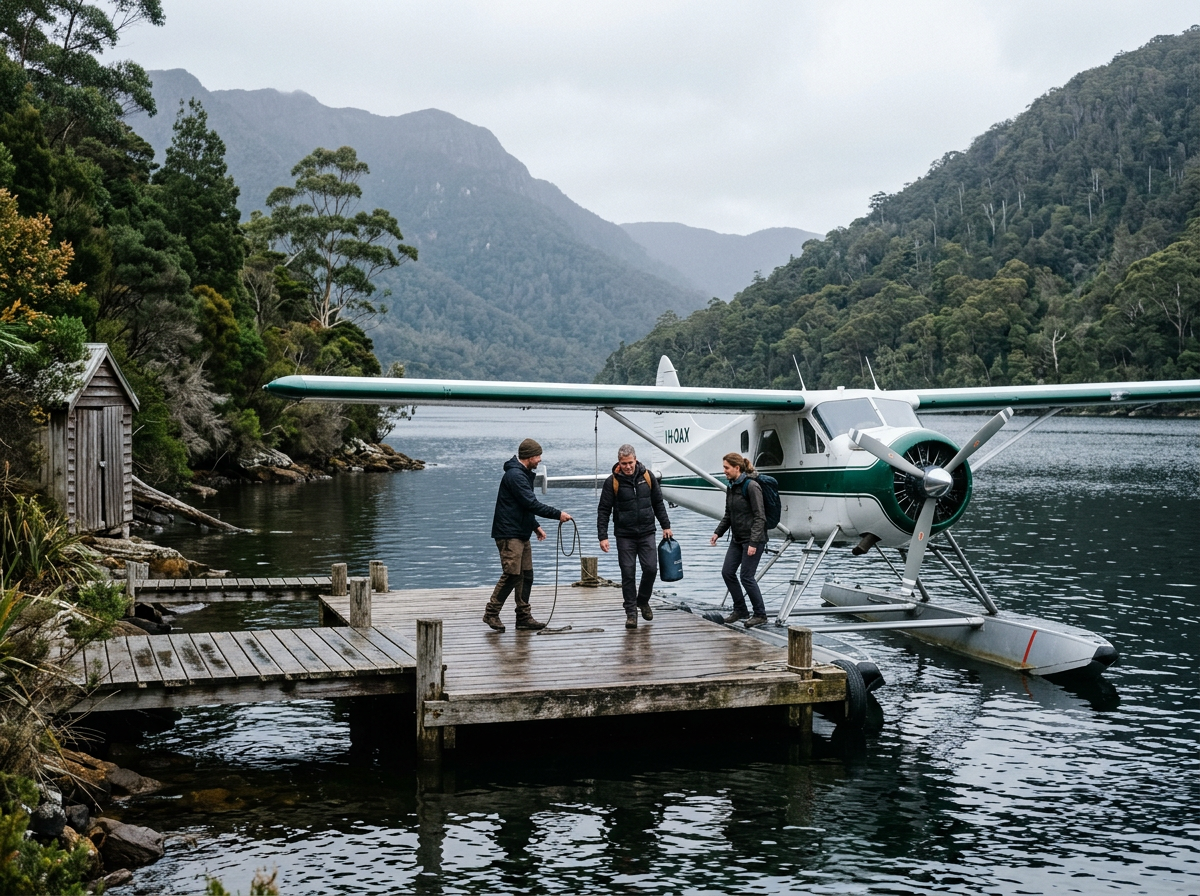
Light seaplane at rest on still water beside a remote shoreline

The aircraft is selected for the route, party, baggage and operating environment. Availability and approvals are confirmed before the movement is proposed.

Discuss Tasmania by air
04Sea

An island from the water.

Tasmania is not a warm-water charter destination and it should not be treated like one. The water is about perspective, access and the right weather window: Hobart from the Derwent, Bruny through the Channel, oysters from the bay, the Freycinet coast when conditions allow, and genuinely remote coastline when the vessel and season make sense.

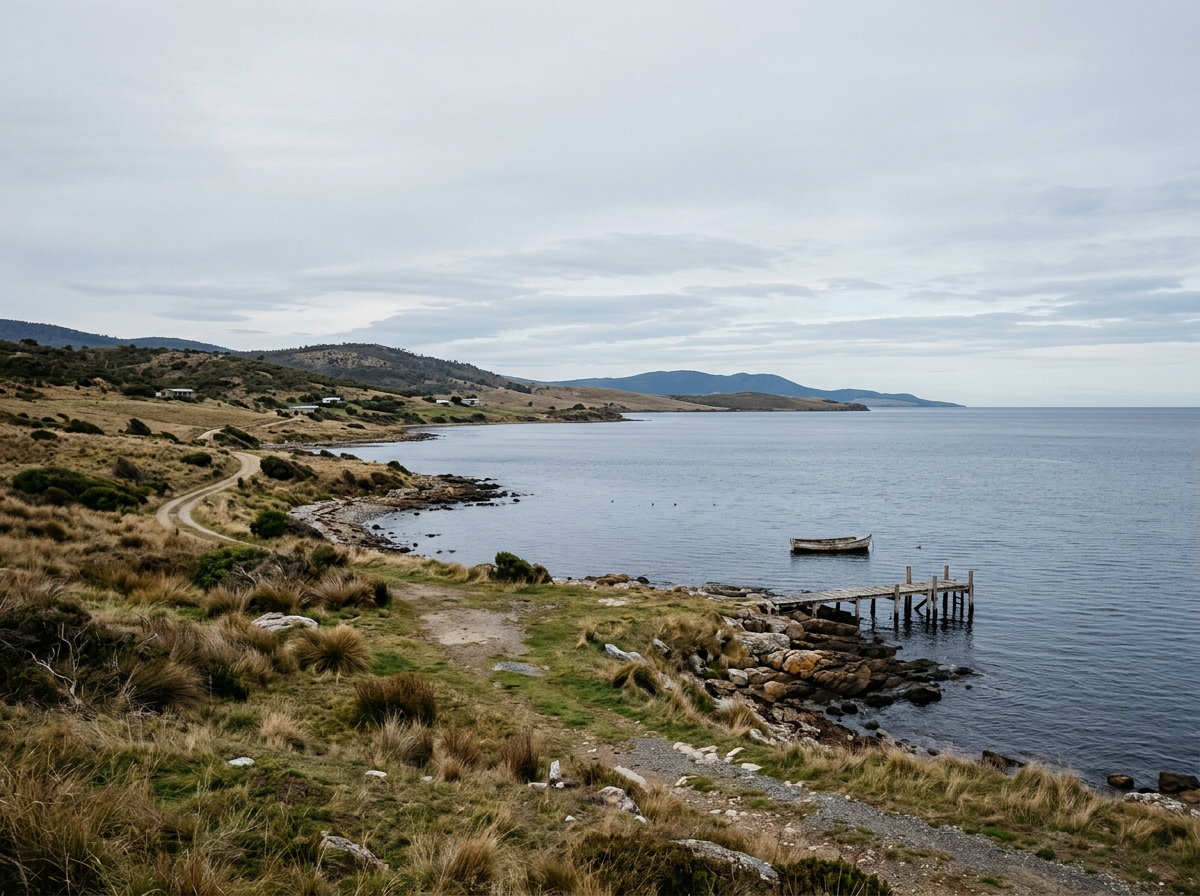
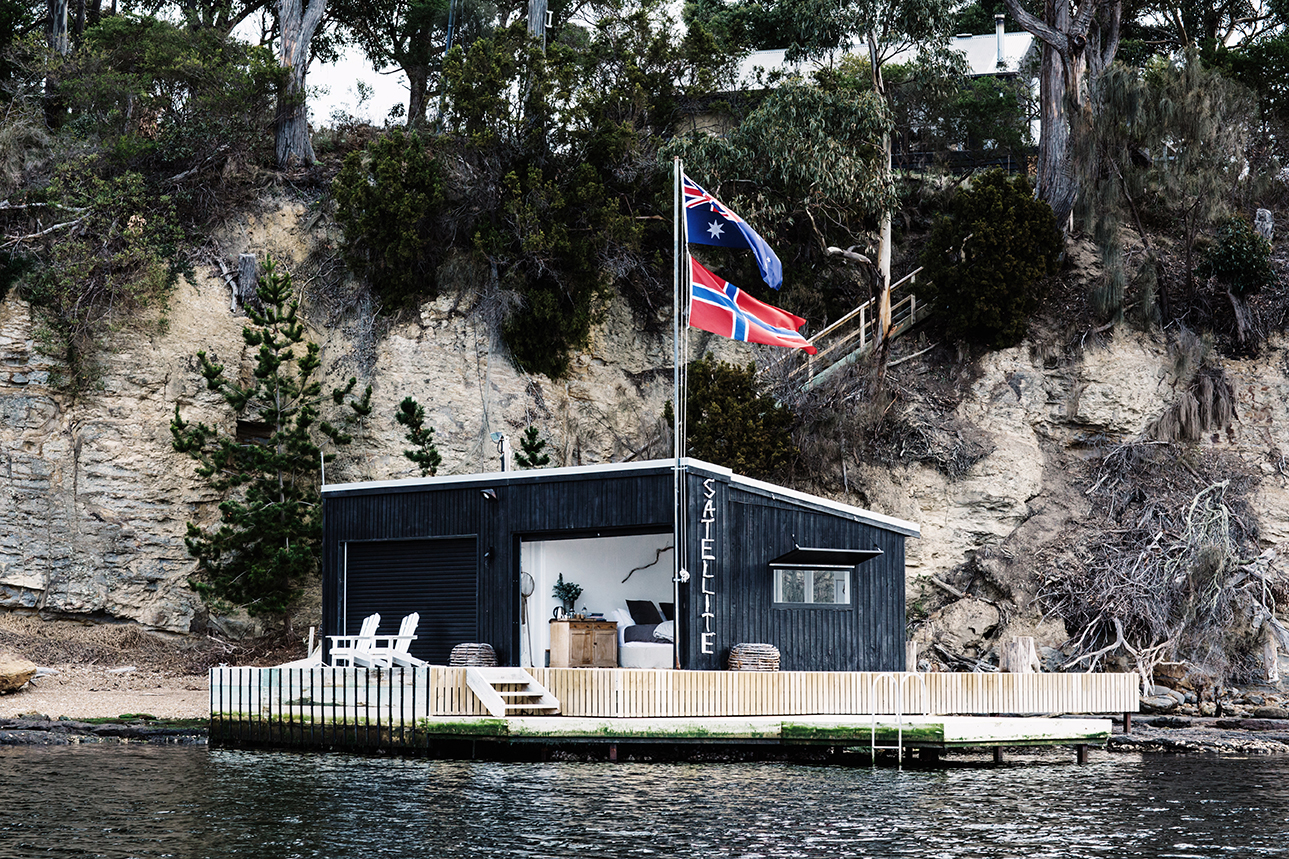
Timber boathouse and jetty above cold clear channel water south of Hobart
  1. S1

    Hobart + the Derwent

    Leave the city by water, arrive at Mona from the river, or use the harbour as part of an evening rather than another road transfer.

    Vessel and departure point confirmed for the day.

  2. S2

    Bruny + the Channel

    Cold clear water, working oyster leases, cliffs and sheltered sections of the D'Entrecasteaux Channel. The food and the water belong in the same day.

  3. S3

    East coast

    Great Oyster Bay and Freycinet can be approached from the water when the sea state and vessel suit. Hold the day loosely enough to move it if the coast says no.

  4. S4

    Bass Strait

    Marine access has its place, but for most private journeys to King and Flinders we would choose air first. The better answer wins.

  5. S5

    Remote + expedition

    Port Davey, the southwest and exposed remote coast sit in a separate category. Purpose-built vessels, short seasons and planning well ahead.

    Enquiry-led and weather dependent.

Weather decides the order. The itinerary follows.

05Experience

The days between.

Tasmania does not need more things added to the itinerary. It needs the right days protected: a Hobart morning, a road worth driving, a table worth booking, golf with the wind in it, oysters taken from cold water and enough space around the wilderness that it still feels like wilderness.

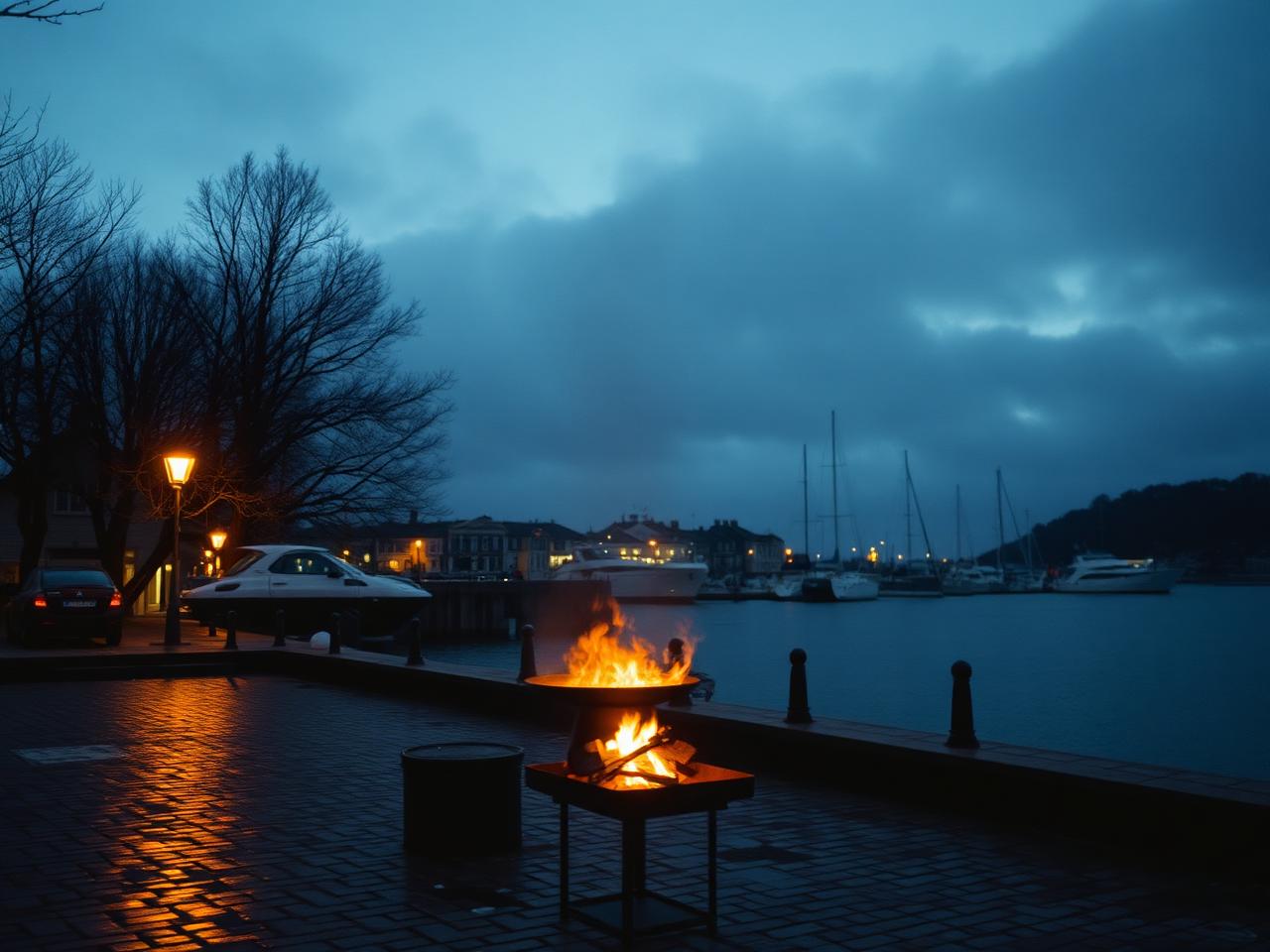
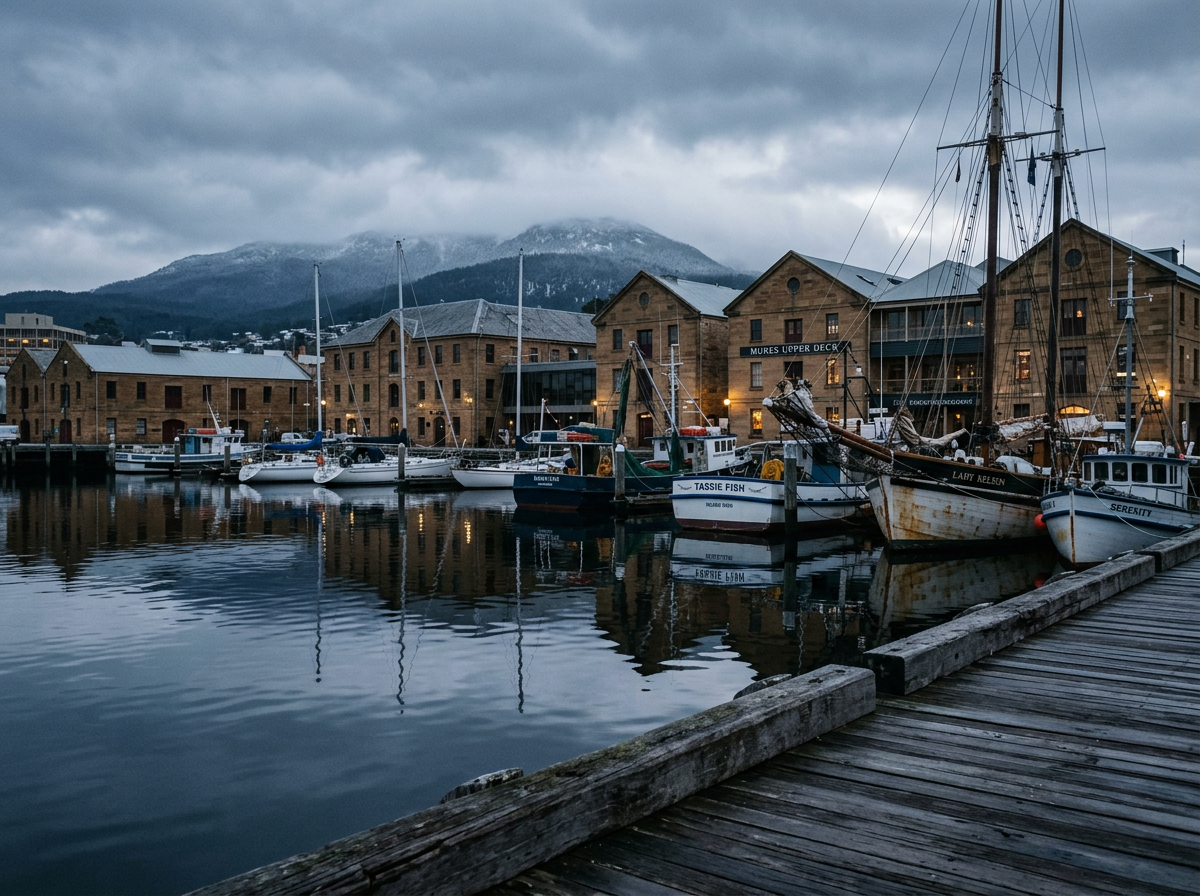
Hobart waterfront and moored boats under cold winter light
01Morning

Hobart, early

Waterfront / Salamanca / Battery Point

Start at the water before the city properly wakes. Coffee, fishing boats, sandstone and Battery Point on foot. There is no need to turn Hobart into a sightseeing day. Let it be the place you return to for food, culture and a warm room after the rest of the island.

In winter, Hobart becomes stronger after dark. Protect an evening for the waterfront and seasonal food culture rather than filling every night with reservations.
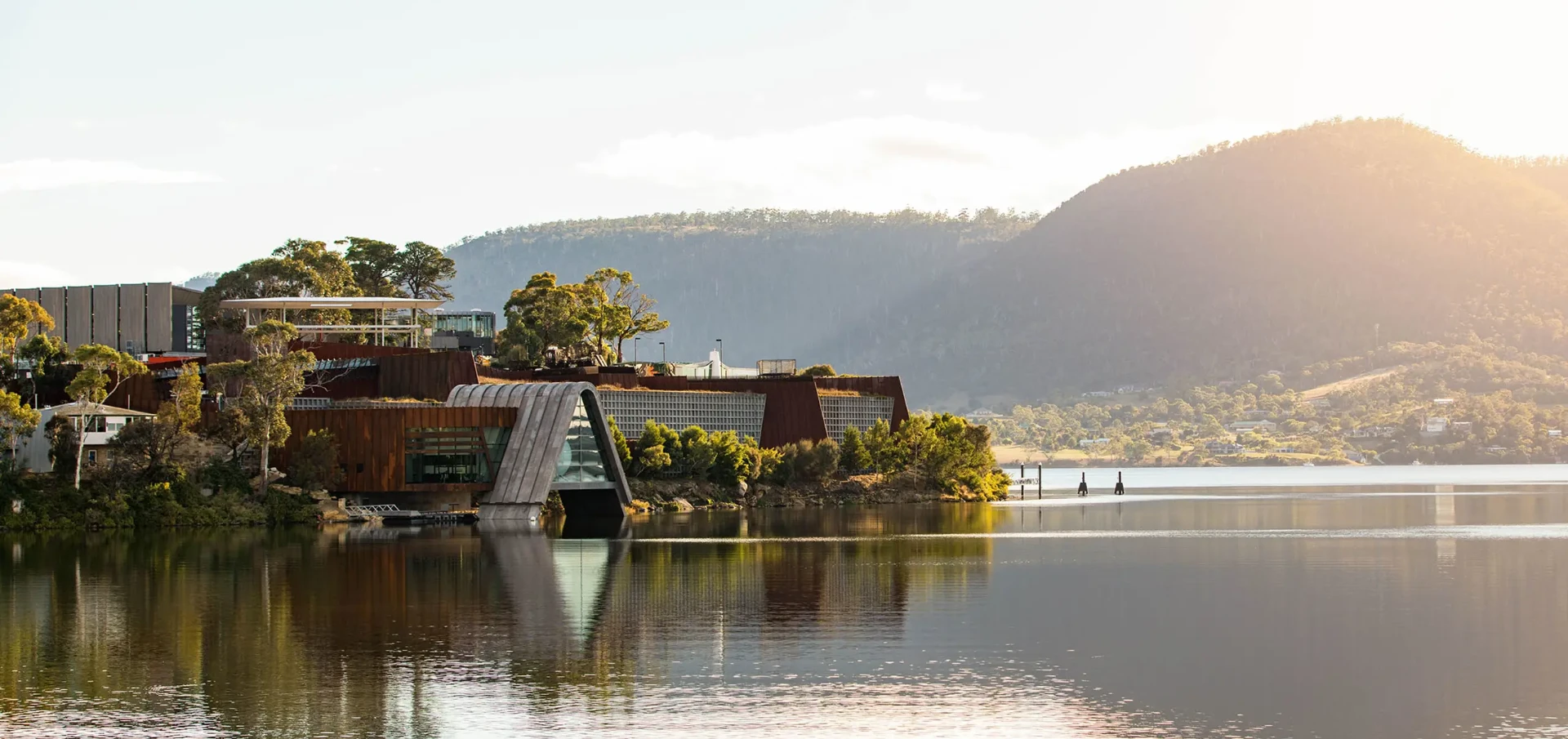
The Museum of Old and New Art on the Derwent River with wooded hills behind
02Half day into lunch

Mona, by water

Derwent River / Berriedale

The arrival is part of it. Go up the Derwent by water, move through the museum at your own pace and stay for lunch rather than racing back into town.

Opening days and event periods can shape the week. Confirm before the rest of the south is locked.

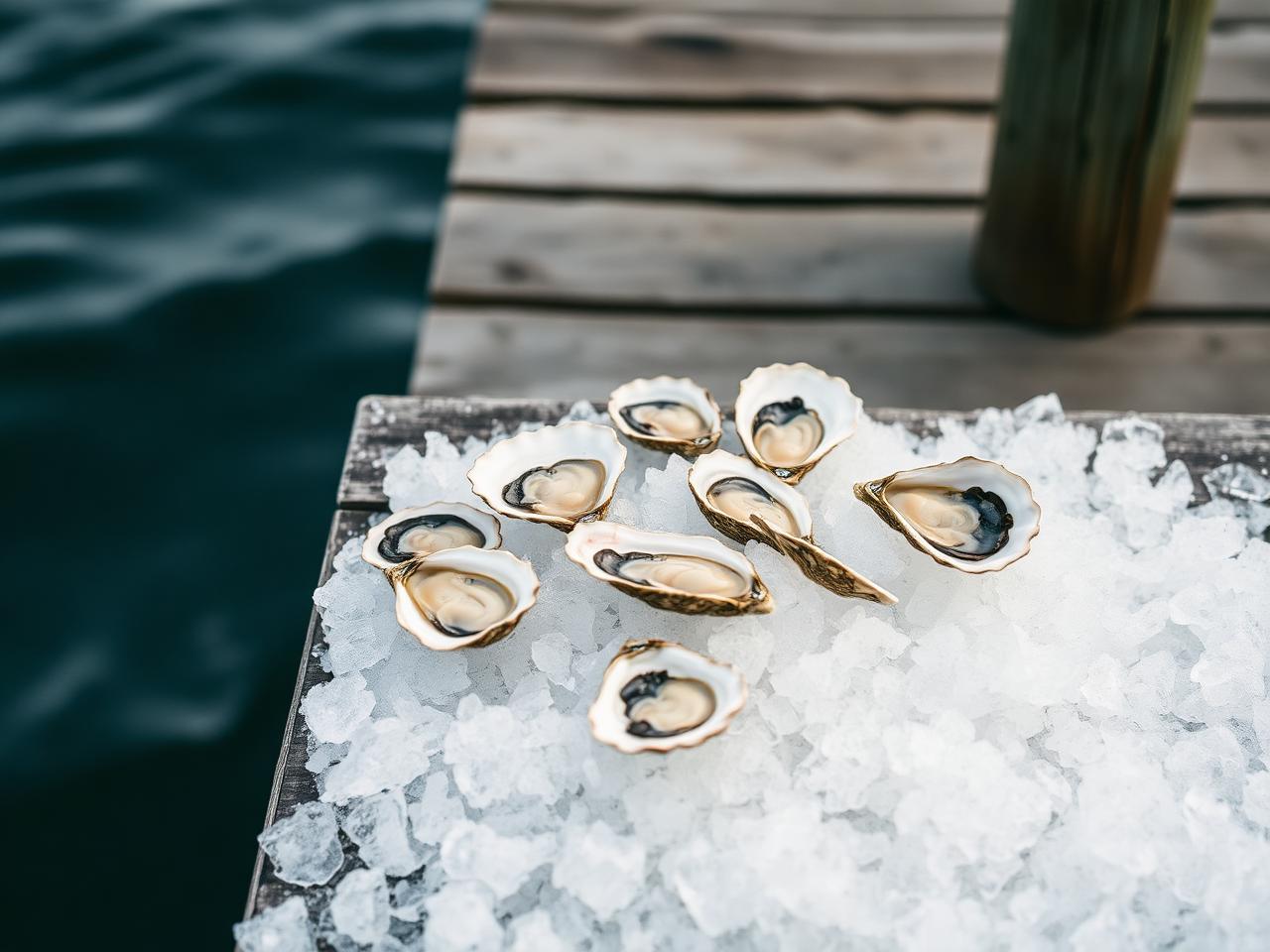
Oysters on ice on a weathered timber jetty above cold clear water
03Full day or slow stay

Bruny, for the food and the road

Bruny Island

Take the ferry, drive the island, stop for oysters and produce, then continue until the road feels properly remote. Better still, stay the night in a cabin looking towards the Southern Ocean and let the last ferry stop mattering.

Bruny improves when it is not treated as a checklist of food stops.

04Full day

Tasman Peninsula

Port Arthur / Tasman Peninsula

History deserves the first half of the day. The coast deserves the second. Port Arthur, cliffs, cold water and the long road home are enough.

Do not try to combine the peninsula with somewhere else just because the map looks small.

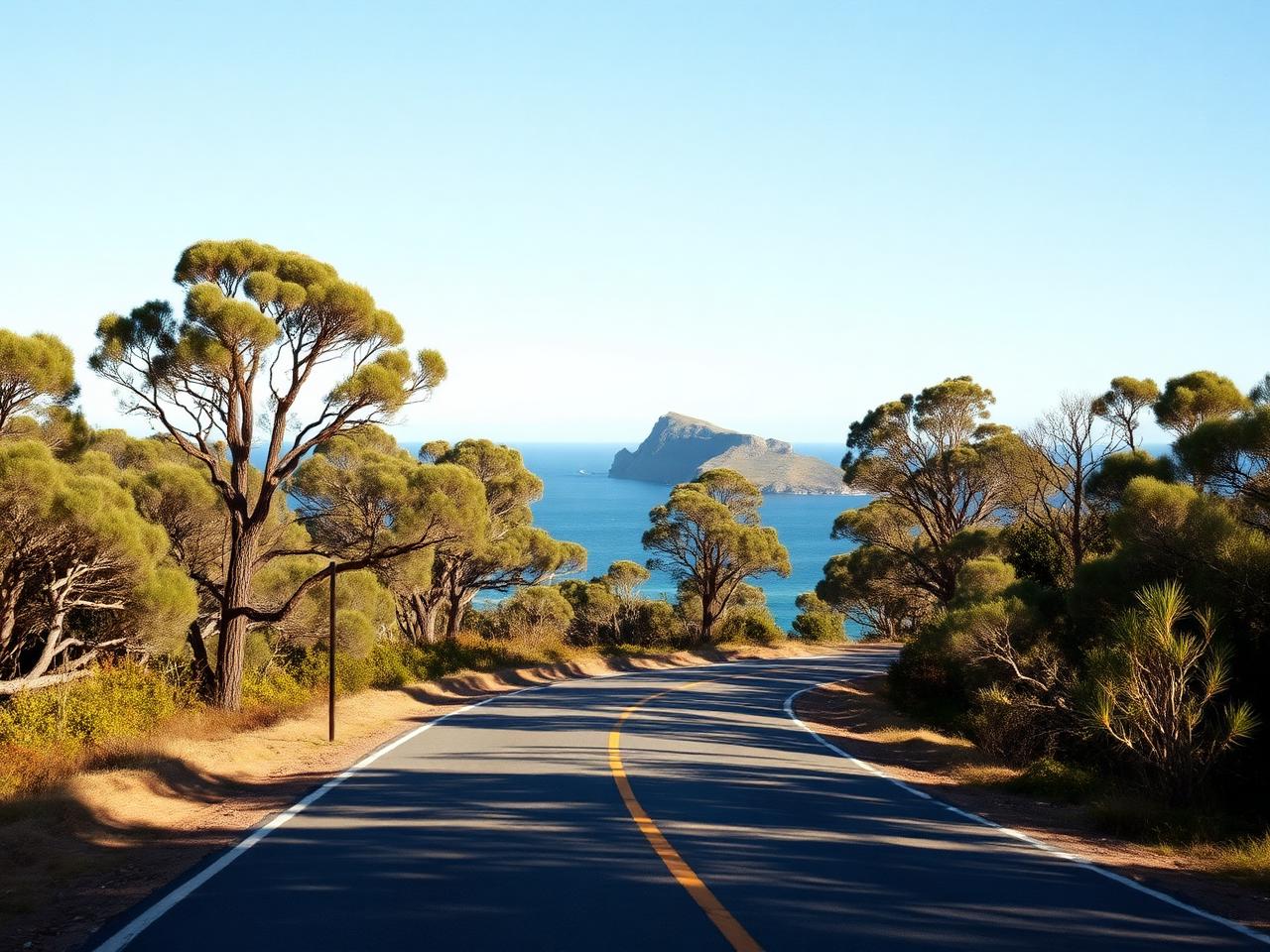
Coastal road curving between eucalypts with a blue bay beyond
05One day, loosely held

The east coast day

Swansea / Bicheno / Great Oyster Bay / Freycinet

Drive. Stop for seafood. Walk when the light is good. Keep lunch flexible. Reach the stay with enough daylight left to see where you are.

Two or three nights makes the coast feel easy. One makes it feel like transit.

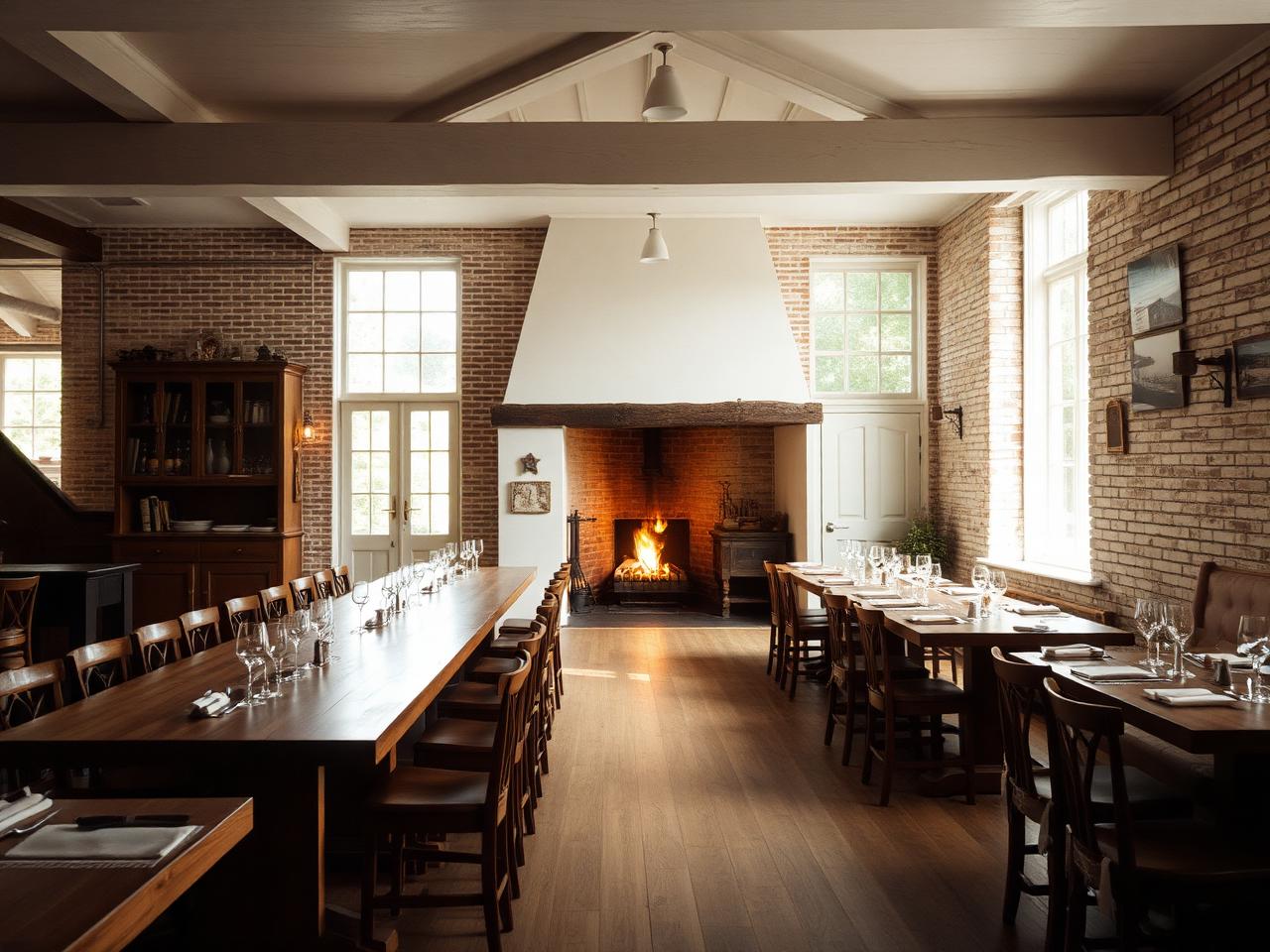
Long timber tables and garden light in a valley dining room
06Long lunch

Paddock to plate

Derwent Valley / Coal River / Tamar / wherever the produce leads

Tasmania is at its best when the food still explains where you are. Oysters by the water. Cool-climate wine near the vineyard. A kitchen cooking from the farm around it. Book the one table that matters and let the rest stay flexible.

Food should shape the route occasionally. It should not become another itinerary to complete.

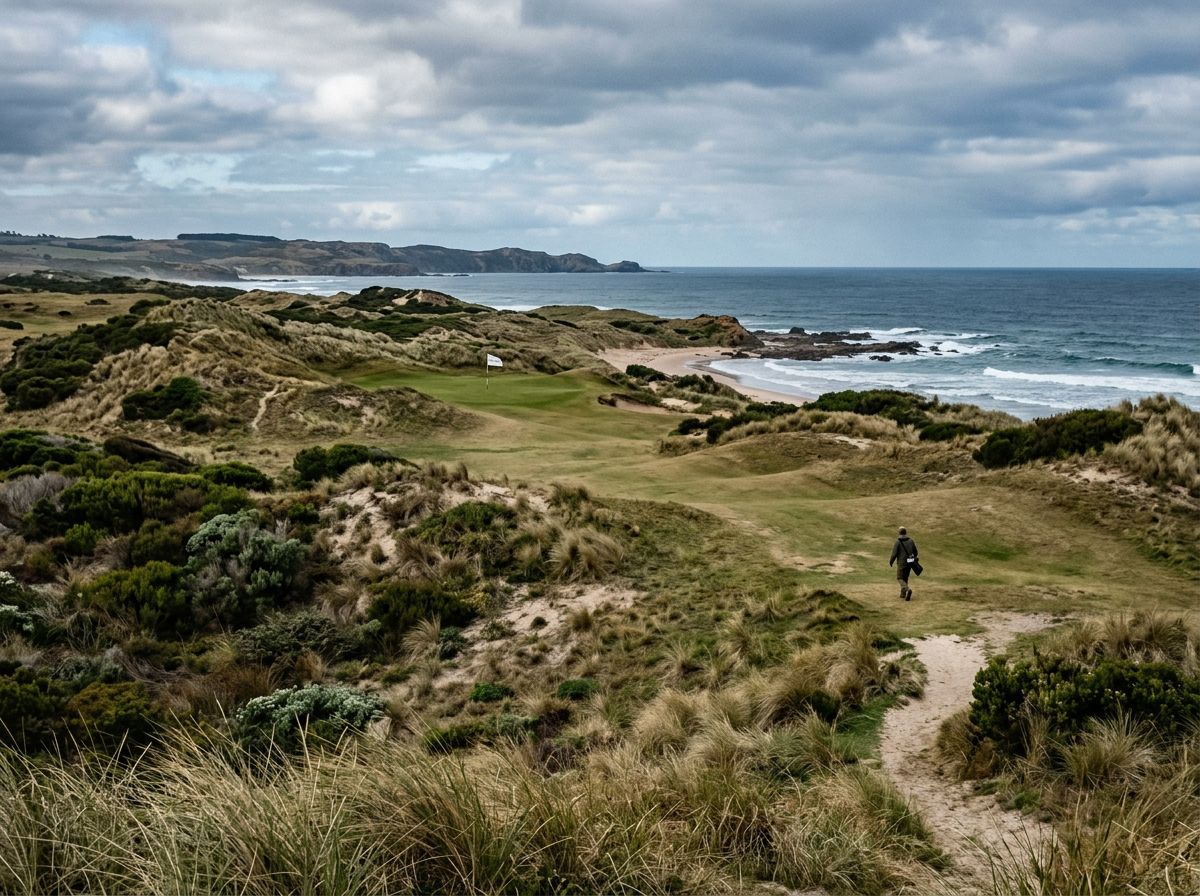
Windswept links fairway running through coastal dunes in north-east Tasmania
07One round or a dedicated extension

Golf, tailored to the journey

Seven Mile Beach / Bridport / King Island

Golf can sit inside the journey or become the reason for one. Seven Mile Beach near Hobart, the north-east around Bridport and Barnbougle, or a flight across Bass Strait to King Island. The right version depends on the people travelling.

Tee times, weather, road sectors and flying are planned together. No formal course access is implied until confirmed.

Cold cloud and low light over high country in Tasmania
08Two or three nights

Cradle, slowly

Cradle Mountain / central north-west

Walk when the mountain allows it. Come back early. Light the fire. Sauna if the stay has one. Do not treat Cradle as somewhere to arrive after lunch and leave after breakfast.

The weather is not a problem to solve here. It is part of the place.

Weathered timber building among rainforest on a west-coast river in low light
09Two to four days

The west, properly

Corinna / Trial Harbour / Strahan / west coast

Heritage, rainforest, old roads and the Southern Ocean. Corinna gives the river and the history. Trial Harbour gives the exposed edge. The drive between them gives the scale.

The west should be its own chapter. If there is not enough time, leave it for the next journey.

10By enquiry

Above and beyond

Remote Tasmania

A seaplane into a lake or coastal destination. A light aircraft across Bass Strait. A helicopter used because the road would consume the day. Private access is most valuable when it changes what is possible, not when it simply looks impressive.

Access, aircraft, landing area, weather and operator suitability are confirmed for every movement.

06Journeys

How we would do it.

These are not packages. They are useful shapes for Tasmania, built to leave room for weather, long lunches, the road and changing your mind.

01

Five nights — Hobart + the south.

Hobart / South Arm

  • Day one — Arrive. Settle into the base. Dinner close.
  • Day two — Hobart waterfront, Battery Point and a long lunch or Mona.
  • Day three — Tasman Peninsula, given the full day.
  • Day four — Bruny, South Arm or Coal River depending on weather and appetite.
  • Day five — One open day. Food, water, a walk or very little.
  • Day six — Departure.

One base. No unnecessary movement.

02

Seven nights — south + east coast.

Hobart / South Arm → Swansea / Bicheno / Freycinet

  • Day one — Arrive in the south.
  • Days two and three — Hobart, food, water and one larger southern day.
  • Day four — Drive the East Coast. Let the road take most of the day.
  • Days five to seven — One East Coast base. Freycinet, Bicheno, seafood and an open day.
  • Day eight — Continue to Launceston or return south for departure.

Move once. Stay longer.

03

Ten to twelve nights — the island, properly.

South → East Coast → North / optional Bass Strait sector

Start in the south, move once to the east coast, then finish in the north. Add King or Flinders by air only if the island is worth its own days. Cradle can replace the northern coast when the journey is more wilderness than food and golf. Keep the west for a dedicated extension unless the trip has the time to carry it properly.

Three good bases will usually beat six good hotels.

Onward

Tasmania can be the journey, or one part of it.

WAYPOINT can hold the next sector through the same brief.

  • Tasmania → MelbourneShort air sector, city stay and onward planning.
  • Tasmania → SydneyAir, harbour, stay and onward arrangements.
  • Tasmania → NoosaCold country to warm water. Residence, boat and aviation.
  • Tasmania → WhitsundaysPrivate aircraft, island stay and a day on the water.

Same brief. One contact.

Field note

A note on Tasmania.

Tasmania becomes less interesting the more aggressively you try to complete it.

Choose fewer places. Drive the good road instead of the fast one. Leave room for weather.

Eat the oyster where it came from. Book the dinner that matters and keep lunch flexible.

Use an aircraft when it genuinely improves the journey. Stay somewhere that makes coming home before dark feel like part of the day.

The island is small on a map. It should not feel rushed.

Waypoint / Tasmania

Tell us what you want the island to feel like.

We'll work backwards from there. A cabin and a fire. Hobart in winter. The East Coast by road. Golf in the north-east. Cradle slowly. The west if there is enough time. An aircraft when the road is not the answer.