Skip to content
Air
Aircraft access

WAYPOINT AIR

The private aviation and air charter division of WAYPOINT & CO. We understand the route first, identify the right aircraft class and a trusted certified operator, then coordinate the journey from enquiry through arrival.

Private aviation, arranged properly.

WAYPOINT AIR is the private aviation division of WAYPOINT & CO. We coordinate private jet, turboprop and helicopter charter across Australia, New Zealand and the Pacific, sourcing each aircraft through appropriate certified operators and remaining the client’s single point of contact from enquiry through arrival.

The right aircraft is the one that fits the journey. We work the chain backwards from the moment you want to arrive — route, runway, load, curfews and crew — then match the aircraft class and operator to it. Where the flight is one part of a larger plan, the same contact coordinates it alongside SEA, STAY and EXPERIENCE, so the aircraft, the vessel, the house and the days between them are held as one journey.

For a worked example, see Hamilton Island and the Whitsundays: a private aircraft from Sydney, a private residence, a yacht day and the island days between, coordinated through one contact.

View of an aircraft wing above red central Australian country
Find the right aircraft for the journey

Fixed wing charter

Five charter classes, described by what they are genuinely good at rather than by specification. Passenger bands are indicative: seats, baggage and fuel compete with one another on every leg, and the final figure belongs to the individual aircraft.

  • FW—01

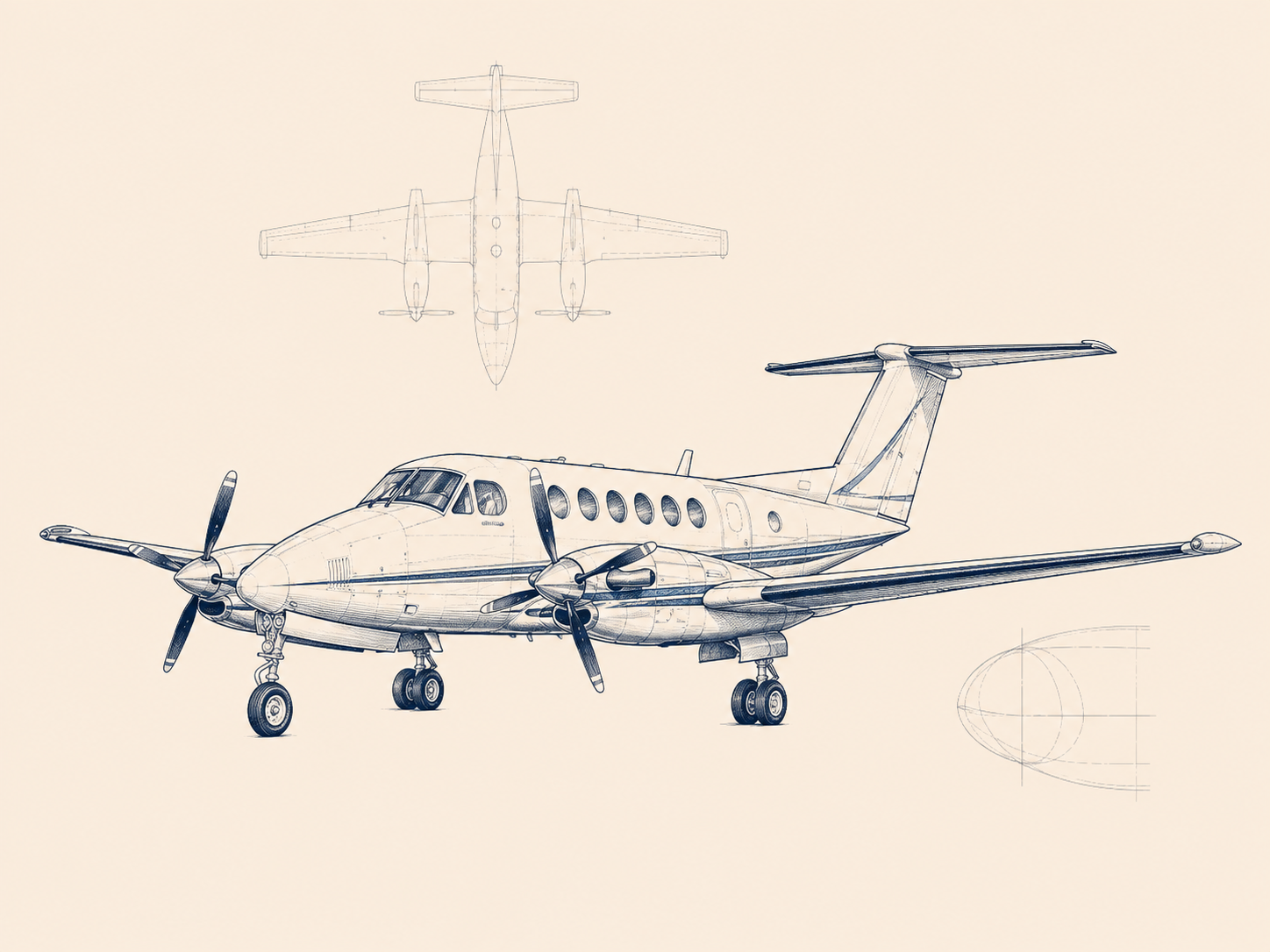
    Turboprop

    Technical sketch of a turboprop aircraft

    Station, lodge, island and regional strips — including short, sloped or unsealed runways that jets cannot use. Also the sensible answer on shorter coastal legs where the flight is under ninety minutes and the runway, not the speed, decides everything.

    Typically four to nine passengers, depending on the type, the cabin fit and how much fuel the leg needs.

    What shapes the flight

    • Short and unsealed runway performance
    • Baggage volume, not only weight
    • Access to strips with no scheduled service
  • FW—02

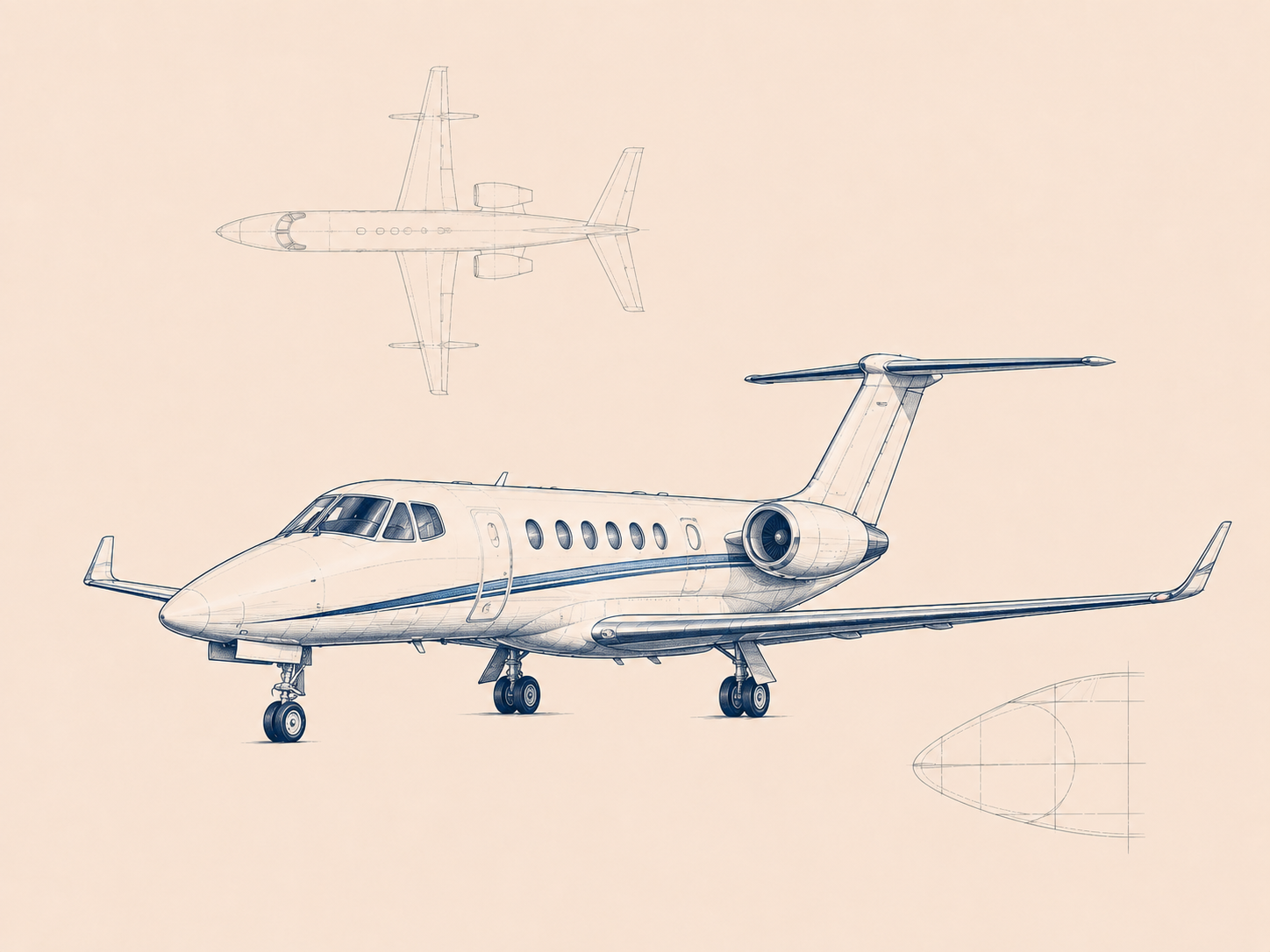
    Light Jet

    Technical sketch of a light jet

    Fast city-to-city and city-to-regional work where the point is to be there and back inside a day. Efficient on one to two hour sectors, with a cabin sized for people travelling light rather than for living in.

    Typically five to seven passengers, with baggage the practical limit more often than seats.

    What shapes the flight

    • Runway performance on hot days
    • Cabin height over longer sectors
    • Curfews at the arrival airport
  • FW—03

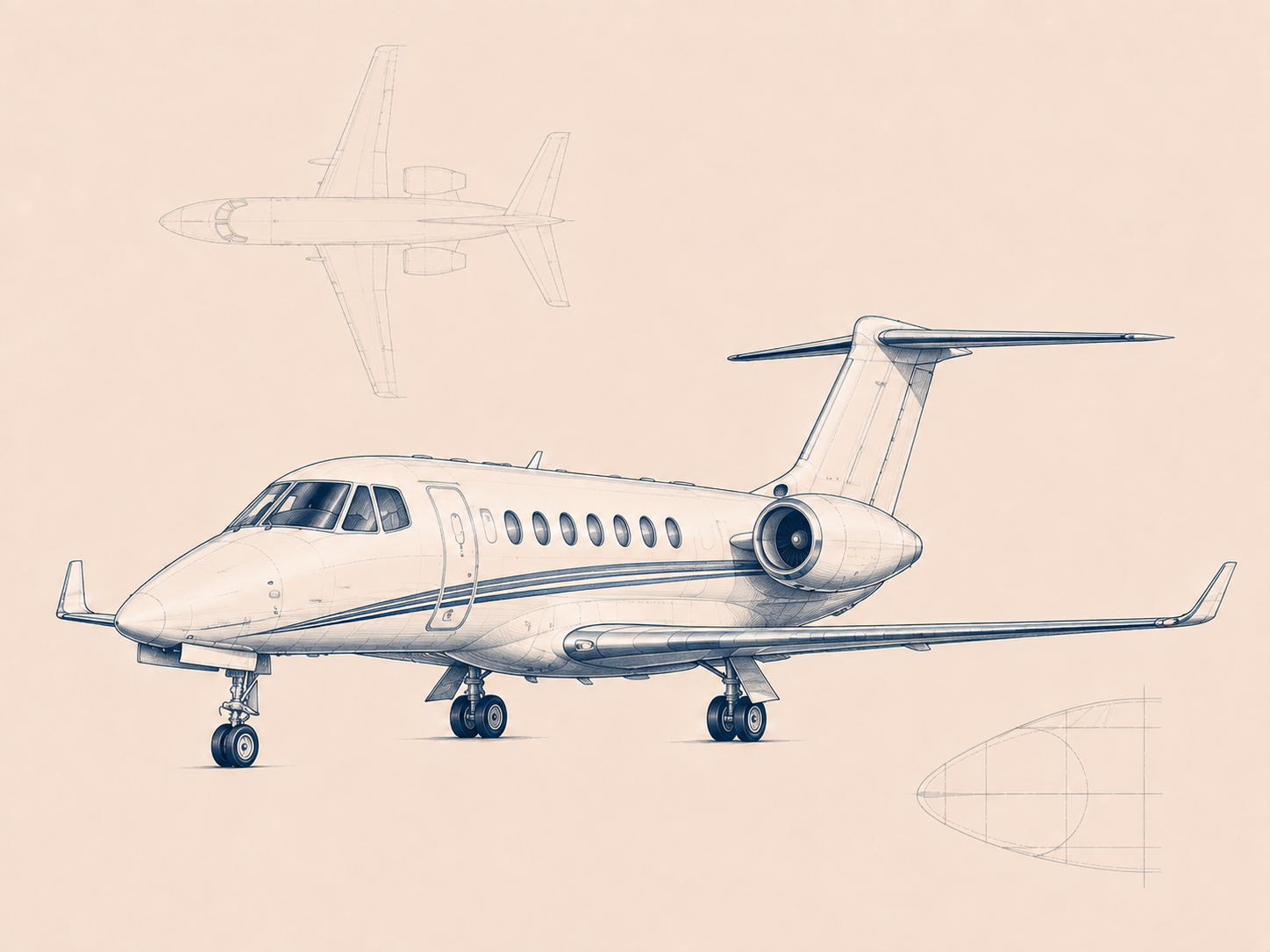
    Midsize Jet

    Technical sketch of a midsize jet

    Longer domestic sectors — east coast to the Centre or the west — and trans-Tasman travel, with a stand-up cabin, a galley worth using and baggage capacity for golf clubs, ski gear or dive kit.

    Typically seven to nine passengers in comfort over three or more hours.

    What shapes the flight

    • Range with a full cabin and full bags
    • Border and customs facilities at both ends
    • Crew duty limits on long days
  • FW—04

    Super-Midsize Jet

    Technical sketch of a super-midsize jet

    Transcontinental Australian sectors and reaching the near Pacific and South-East Asia without a fuel stop. The class where range, cabin and runway flexibility finally stop competing with each other.

    Typically eight to ten passengers, with useful baggage on full-fuel legs.

    What shapes the flight

    • Non-stop range against payload
    • Runway length at remote destinations
    • Overnight crew and aircraft positioning
  • FW—05

    Large Jet

    Technical sketch of a large jet

    Long-range international flying, overnight sectors and journeys where the aircraft is part of the day rather than the gap in it — separate cabin zones, proper rest and full service on board.

    Typically ten to sixteen passengers, and more in some configurations.

    What shapes the flight

    • Cabin layout and rest arrangements
    • Slots, permits and ground handling
    • Runway and apron limits at smaller fields

How air charter works

Brief · Match · Confirm

The aircraft matters. The operator matters more.

Before an option is put in front of you, we read the route, the passenger and baggage load, the timing, the airports and the operating requirements of the day. The aircraft is the answer to that reading, not the starting point.

  1. 01

    Brief

    Route, passengers, baggage, timing, airport access and the ground journey at each end.

  2. 02

    Match

    We identify a suitable aircraft class and reviewed operators able to perform the flight as briefed.

  3. 03

    Confirm

    Aircraft, operator, schedule, terms and price are set out in writing before anything is committed.

  • Flights are performed by appropriately certified third-party air charter operators. WAYPOINT does not own or operate aircraft.
  • Operators are reviewed for their suitability to the specific flight. WAYPOINT is not a regulator and does not approve or certify operators.
  • Aircraft, operator, airport, timing and price remain subject to availability, operational assessment and regulatory requirements.
  • WAYPOINT's commission is agreed for each confirmed booking, and the applicable arrangement is made clear in the proposal and confirmation.

After confirmation

Confirmation is only the beginning. From operator coordination and passenger requirements to aircraft details, crew, ground handling and the final trip sheet, WAYPOINT holds the journey through to arrival.

Questions, answered plainly.

These are the questions we are actually asked. The answers belong to this page, not to a rate card.

Does WAYPOINT own or operate aircraft?

No. Flights are performed by appropriately certified third-party air charter operators. WAYPOINT coordinates the brief, the match and the confirmation, and remains the single point of contact. We do not own or operate aircraft.

How does air charter actually work?

Brief · Match · Confirm. We read the route, passengers, baggage, timing, airports and operating requirements first. Then we identify a suitable aircraft class and reviewed operators able to perform the flight as briefed. Aircraft, operator, schedule, terms and price are set out in writing before anything is committed.

Can you arrange the aircraft and the house as one journey?

Yes. Where the flight is one part of a larger plan, the same contact coordinates it alongside SEA, STAY and EXPERIENCE. Hamilton Island and the Whitsundays is the worked example: a private aircraft from Sydney, a private residence, a yacht day and the island days between, held as one brief.

Can you fly privately to Hamilton Island?

Hamilton Island has its own runway. Where the aircraft, conditions and operator approvals allow it, you land on the island. Where they do not, the arrival is planned through a mainland airport with the onward connection built in and confirmed before you leave. The aircraft is matched to the party, the luggage and the day — not chosen from a fleet we hold.

Which aircraft do you fly?

We do not hold a fleet. This page describes five fixed-wing classes and three helicopter formats by what they are genuinely good at. The aircraft that flies is the one that fits the route, runway, load and timing, sourced through a certified operator for that specific flight.

How should an executive assistant brief a flight?

Send the route, passenger count, baggage (including golf, ski or dive kit), preferred timing, and whether the flight sits inside a wider stay. If you already hold dates for a house or a vessel, include them. We come back with the sensible options, including the ones that are not a charter.

What does it cost?

There is no public rate card. Price belongs to the specific aircraft, operator, route, timing and positioning. WAYPOINT’s commission is agreed for each confirmed booking and made clear in the proposal. We will not publish indicative hourly figures.

Do you arrange international flights?

Yes, where the route, aircraft class and operator make it operationally appropriate. Trans-Tasman, the near Pacific and longer international sectors sit under AIR, with more on International Air.


See the worked example at Hamilton Island and the Whitsundays, or read about International Air.

Discuss a flight

Tell us where you want to be and when. We will come back with the sensible options, including the ones that are not a charter.

Australian enquiries and international welcome